Conserving Water: The Plumbing Perspective
Conserving Water: The Plumbing Perspective
Water is a precious resource fundamental to life on Earth. We often take for granted the access we have to clean water in our homes. However, it is crucial to be mindful of our water usage, especially when it comes to plumbing systems. In this blog post, we delve into the world of plumbing water conservation and explore practical tips to minimize water wastage while maintaining efficient plumbing systems.
Understanding the Importance of Water Conservation
Water conservation is not just a matter of saving money on utility bills; it is an essential practice to protect our environment and ensure a sustainable future. The plumbing systems in our homes play a significant role in water conservation efforts. From leaky faucets to inefficient toilets, there are various areas where water wastage can occur. By making simple adjustments and adopting eco-friendly practices, we can significantly reduce our water footprint.
Identifying Common Culprits of Water Wastage in Plumbing
1. Leaky Faucets
Leaky faucets may seem like a minor issue, but over time, they can waste a significant amount of water. A dripping faucet can waste hundreds of gallons of water per year, leading to both water and money down the drain.
2. Running Toilets
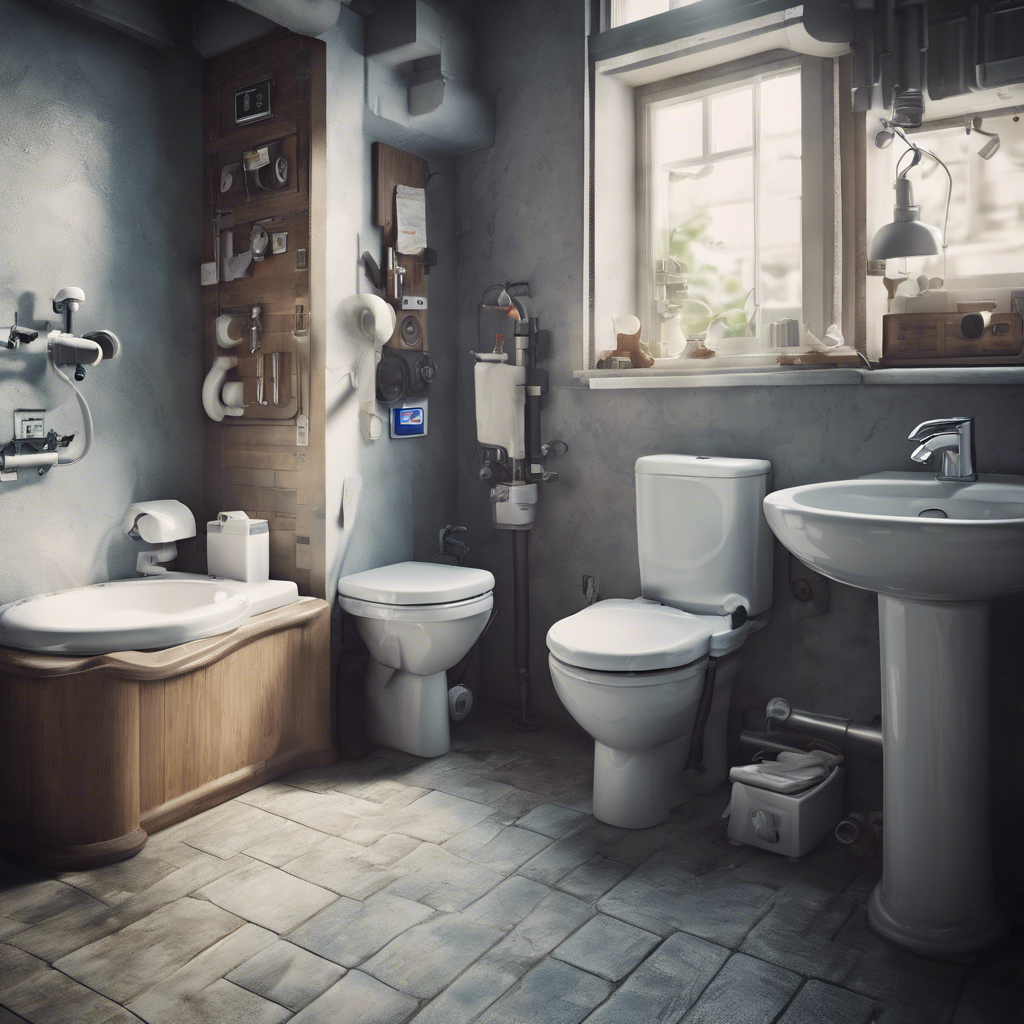
A running toilet is not only annoying but also a major cause of water wastage. A constantly running toilet can waste thousands of gallons of water per month. Checking and repairing toilet leaks promptly can make a substantial difference in water conservation efforts.
3. Inefficient Appliances
Old and inefficient appliances such as washing machines and dishwashers can be water guzzlers. Upgrading to water-efficient models can significantly reduce water consumption and save on utility costs in the long run.
Practical Tips for Plumbing Water Conservation
1. Fix Leaks Promptly
Keep an eye out for any leaks in your plumbing system and address them promptly. Whether it's a leaky faucet, a running toilet, or a dripping showerhead, fixing leaks can save a significant amount of water.
2. Install Water-Efficient Fixtures
Consider installing low-flow faucets, showerheads, and toilets to reduce water usage without compromising on performance. These fixtures are designed to minimize water wastage while maintaining water pressure.
3. Opt for Smart Water Systems
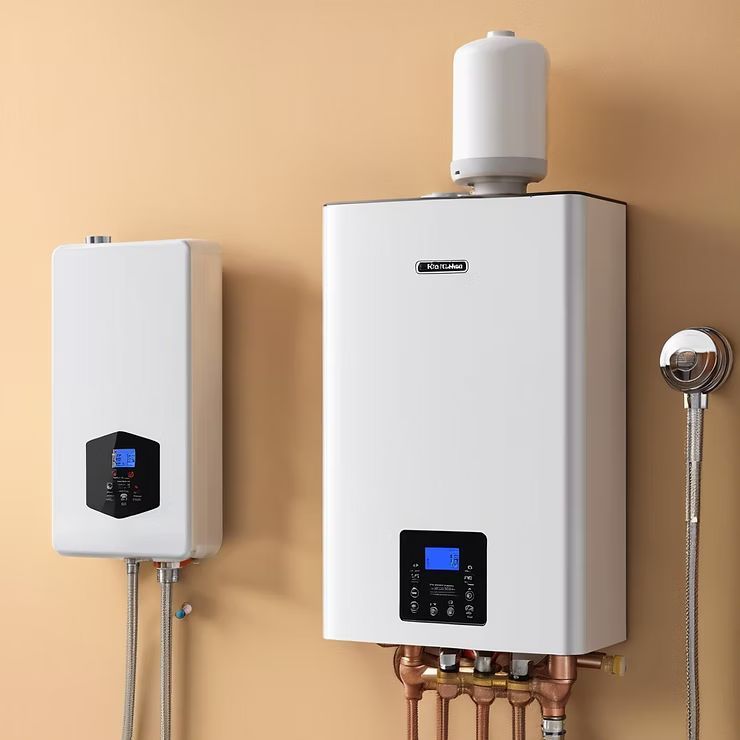
Smart water systems, such as leak detection devices and water usage monitoring tools, can help you identify and address water wastage in real time. By staying informed about your water consumption, you can take proactive steps to conserve water effectively.
4. Practice Responsible Water Usage
Simple habits like turning off the tap while brushing your teeth, taking shorter showers, and running full loads in the dishwasher and washing machine can collectively contribute to water conservation efforts. Every drop saved counts towards a sustainable future.
Conclusion: A Call to Action for Sustainable Plumbing Practices
In conclusion, water conservation is a shared responsibility that starts at home. By being mindful of our water usage and taking proactive steps to conserve water, we can make a positive impact on the environment and future generations. As we embrace sustainable plumbing practices, let us remember that every drop saved today ensures a brighter tomorrow for all.
So, let's embark on this journey together, one plumbing fixture at a time, to create a more water-efficient and sustainable world for generations to come.
Let's conserve water, save resources, and protect our planet - one plumbing fix at a time!
Ensure a sustainable future. Water conservation is crucial. Plumbing practices matter.